Nine Mile Falls, Washington
Ceiling Mold Removal in Nine Mile Falls
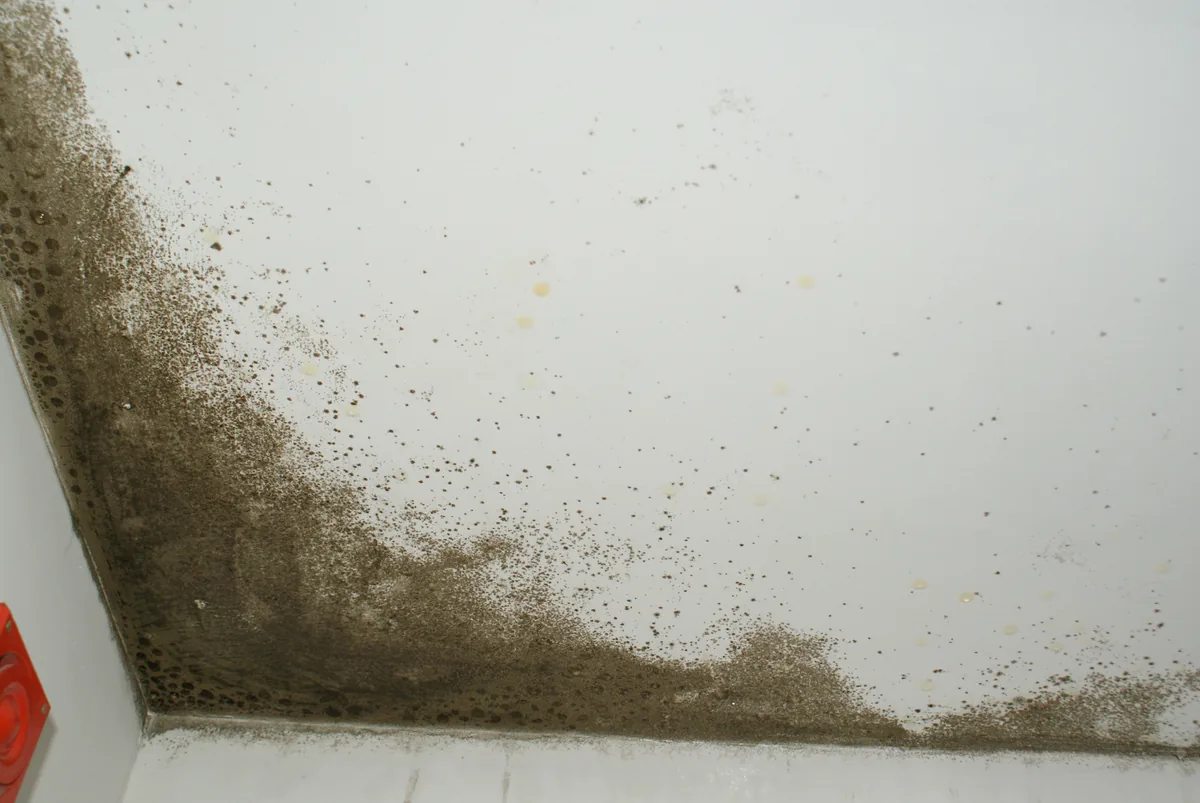
A stain on a Nine Mile Falls ceiling indicates water intrusion from above. Ceiling mold remediation begins by identifying the source, whether from a roof issue, attic condensation, or plumbing from the floor above, before any removal starts.
When you call
What happens when you call Nine Mile Falls's 24/7 line
Call (844) 352-3560 any hour. The line is answered 24/7 and insurance is accepted.
The process
The Ceiling Mold Removal process in Nine Mile Falls, WA
Inspect
The stain pattern is examined alongside the space above, using tools like thermal imaging and moisture meters to trace the water's path in a Nine Mile Falls home.
Confirm active vs. old
Readings determine if the leak is active or historical, which directly impacts the scope and urgency of the needed remediation.
Contain
The area is contained with sheeting under negative air pressure, as debris from ceiling removal will fall downward.
Remove
Affected drywall or plaster is removed in a clean, measured section, guided by moisture mapping rather than guesswork.
Dry and patch
The cavity is dried to target moisture levels and treated, then patching and texturing are coordinated to prepare the ceiling for paint.
Why Nine Mile Falls homeowners call
Ceiling Mold Removal done to the IICRC S520 standard in Nine Mile Falls, WA
The source is confirmed before cutting
Thermal imaging, moisture readings, and an inspection of the space above identify the water source before any cutting occurs.
Right-sized cutouts
Only the affected ceiling material is removed, avoiding the cost and labor of repairing an unnecessarily large hole.
Documented, accountable work
Photos, moisture data, and a written scope provide the documentation often required for related claims.
Clear records for shared buildings
Findings are compiled in a clear report that can be used by an HOA, property manager, or neighboring unit owner to authorize necessary repairs.
When to call
When to book Ceiling Mold Removal in Nine Mile Falls
- A brown ring on the ceiling that expands after rain or snowmelt
- Dark spotting on a ceiling directly below an upstairs bathroom
- Sagging or bulging drywall with a soft center
- Paint or texture peeling in a specific ceiling patch
- A musty odor that is strongest beneath the stain
- Water dripping from a ceiling light fixture or fan box
Any one of these is reason enough to call (844) 352-3560, the line is answered 24/7.
Scope of work
What the crew removes and treats in Nine Mile Falls homes
Ceiling drywall
Cut along joist lines in a square, patchable section
Textured finish
Removed with the affected board; texture is matched during repair
Ceiling joists
Cavity is HEPA vacuumed, treated, and dried before closing
Insulation above the stain
Wet or contaminated insulation is pulled back and bagged
Lath and plaster
Removed in sections, relevant for some older homes in the area
Not sure how far the damage runs? Describe it on the phone at (844) 352-3560, the line is answered 24/7.
By location
Ceiling Mold Removal by city
Ceiling Mold Removal covers Nine Mile Falls and the whole Spokane County area. Pick your city for local detail and pricing.
Where the crews work
Ceiling Mold Removal across Nine Mile Falls & the Spokane County area
From Nine Mile Falls out to Town and Country, Country Homes, Mead, and the Spokane County area. The same crews, the same 24/7 line.
What it costs
Mold removal cost in Nine Mile Falls, WA
Every job is different, so these are the typical Washington ranges. They are planning numbers, not a quote. Your price depends on how much mold there is, where it is, and what caused it.
A single moldy spot, a closet, or under a sink. The crew seals it off, removes it, and treats the surface.
A bathroom, kitchen, or bedroom with mold on a wall or ceiling, plus the moisture source fixed.
Larger areas that need more containment and drying. Common here after spring rain or a slow leak.
Mold across several rooms or after major water damage. The work runs in phases, room by room.
The surest way to get a firm number is to call and have the crew walk the space with you. Want a ballpark first? Try the instant mold remediation cost calculator. Filing a claim? Insurance is accepted and the contractor works with your carrier, so read the mold insurance claims guide.
Time and scope
How long Ceiling Mold Removal takes in Nine Mile Falls, and what is included
How long the job takes
Identifying the source may take an hour to a morning. The removal and cleanup proceed quickly, but drying the cavity above dictates the schedule. Patching and texturing are scheduled once moisture readings are clear.
What is included, what is booked separately
- Protection for floors and furniture in the work area
- Moisture mapping to precisely define the removal area
- Removal of affected ceiling board and wet insulation
- Antimicrobial treatment and drying of the structural cavity
- Documentation including photos and moisture readings in the work scope
Booked separately: Mold After Roof Leak, Attic Mold Removal, Mold Damage Restoration.
For a firm schedule and a written scope, call (844) 352-3560, the line is answered 24/7.
On the job
Mold remediation work in Nine Mile Falls homes
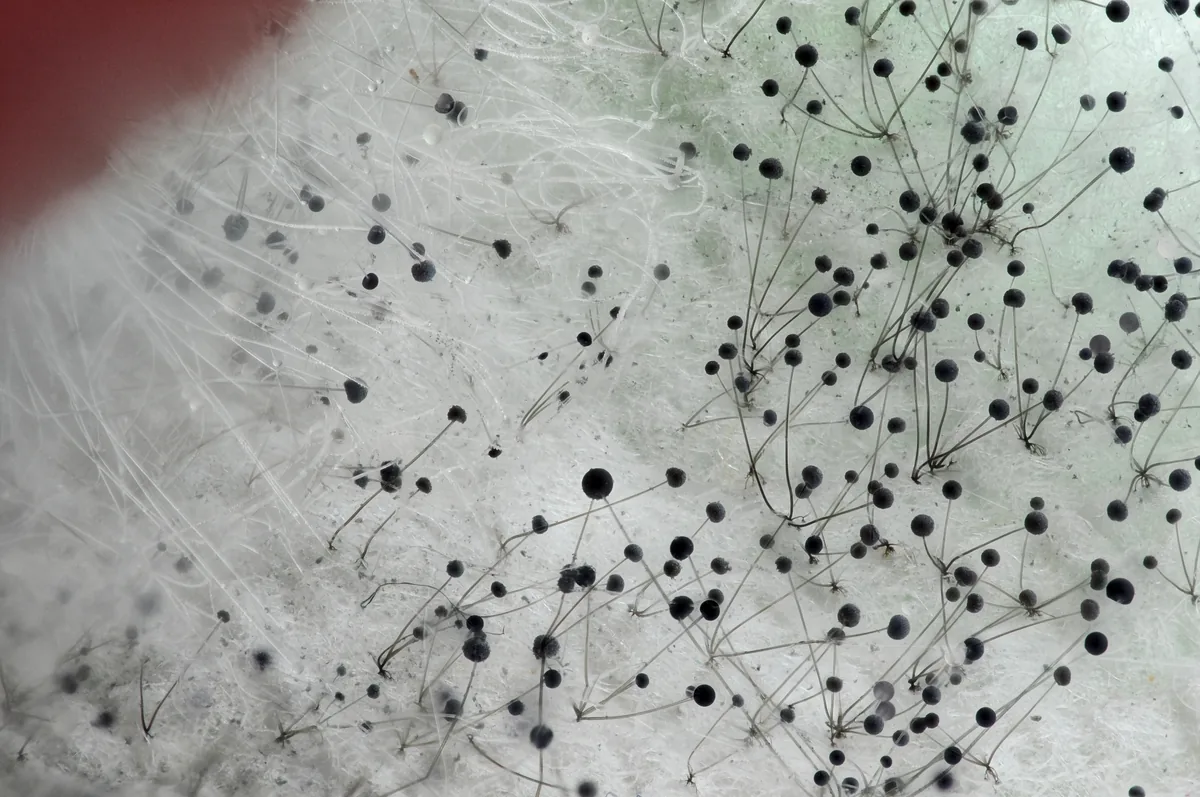
What a Ceiling Stain Is Actually Telling You
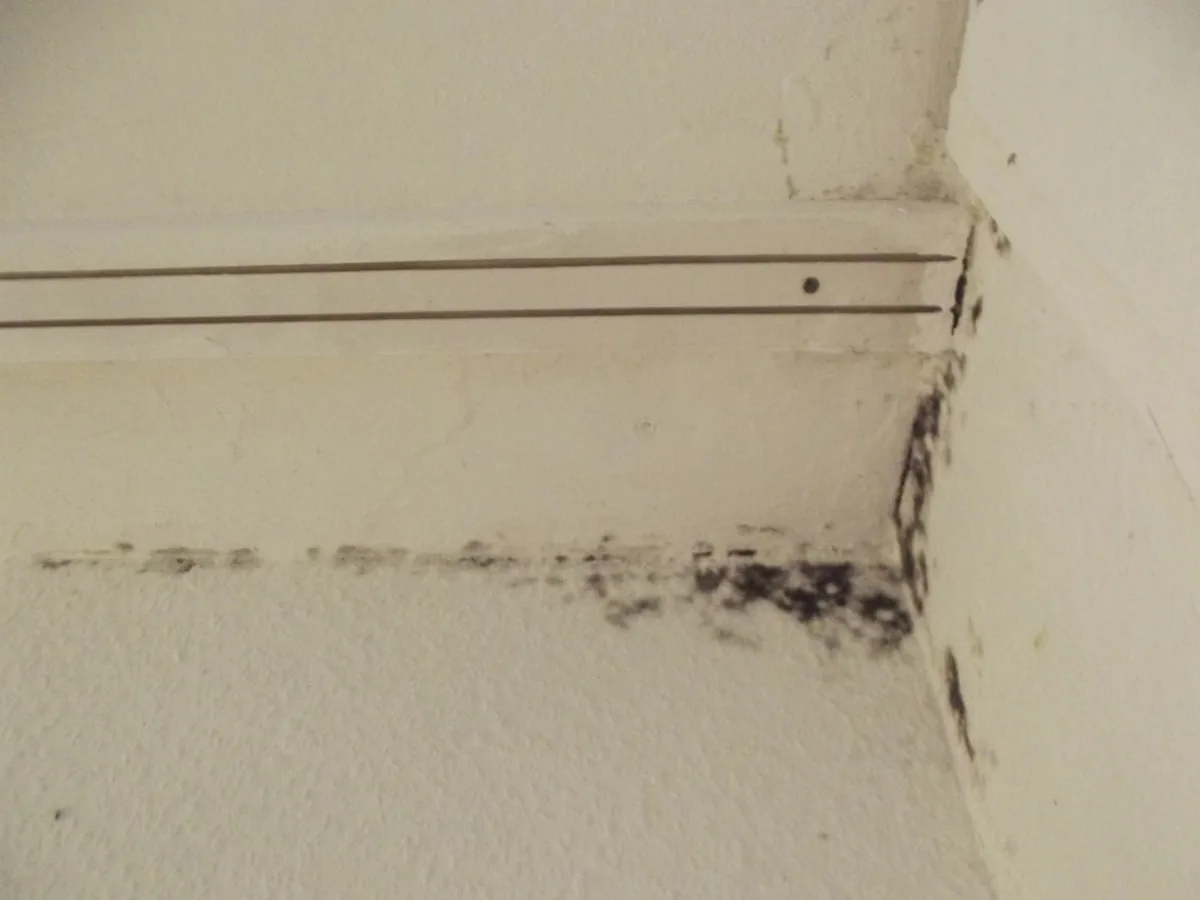
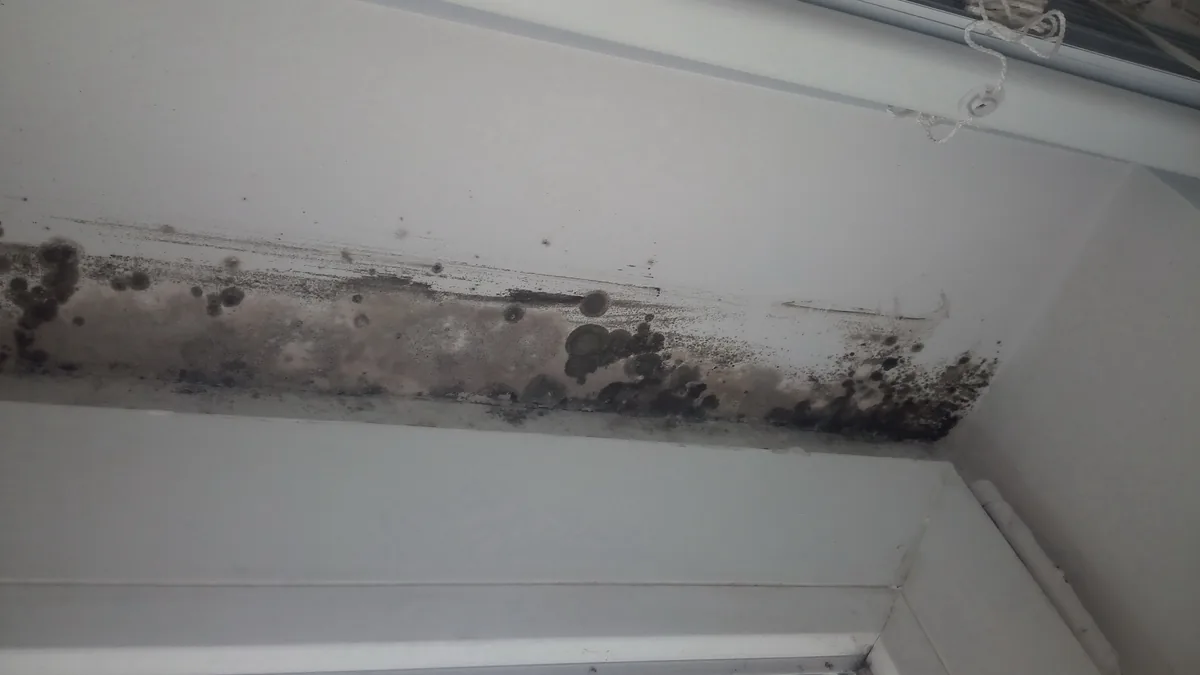
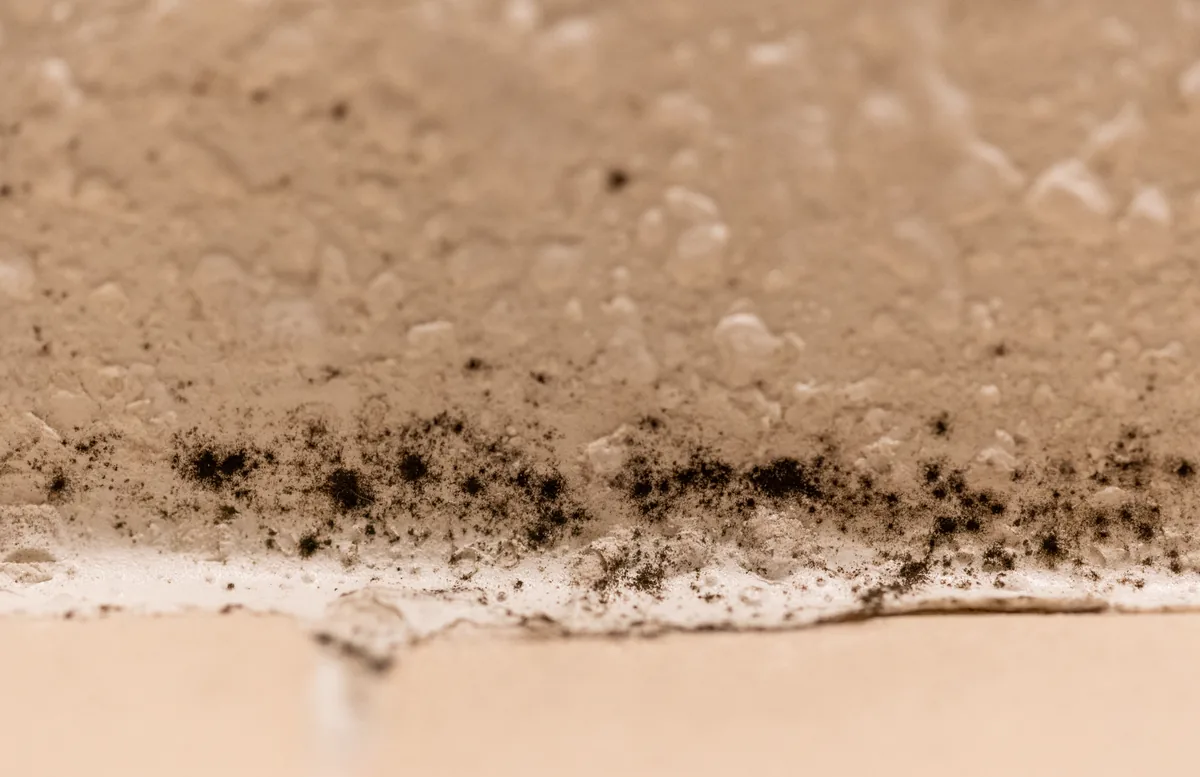
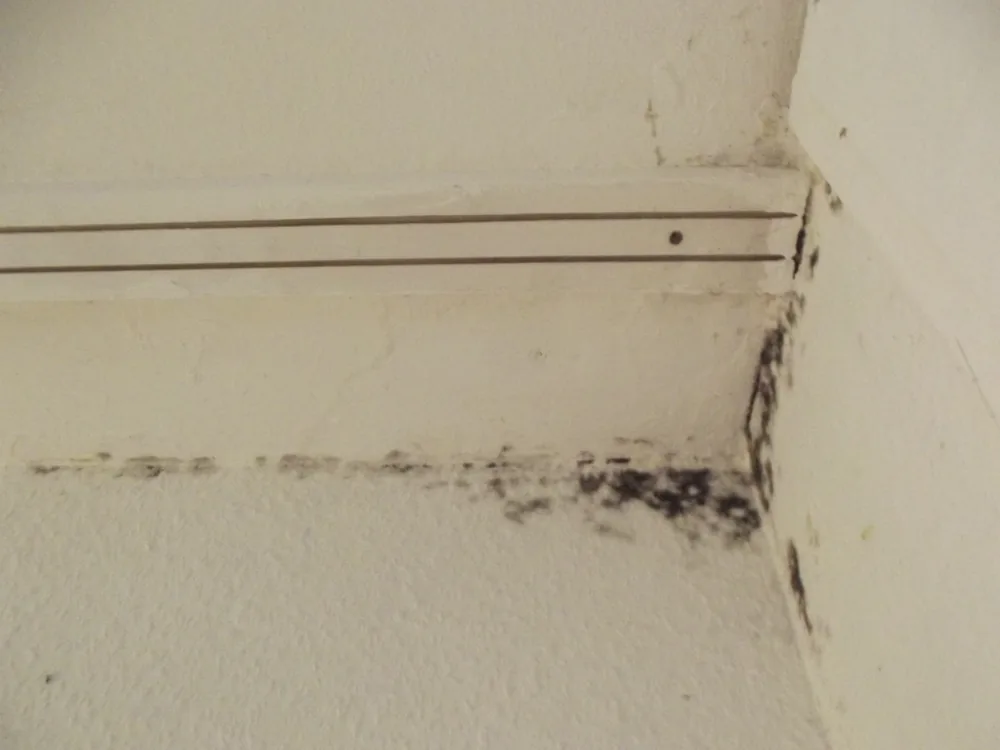
A brown ring or dark patch on a ceiling is not just a cosmetic issue. It indicates water traveled from above, such as from a roof, an upstairs bathroom, or attic condensation, leaving behind mineral deposits and potential for growth.
The stain's shape carries information. A tight, circular ring often points to a slow, repeating drip, while a broad, irregular stain suggests a single large event like a burst pipe or roof damage during a storm.
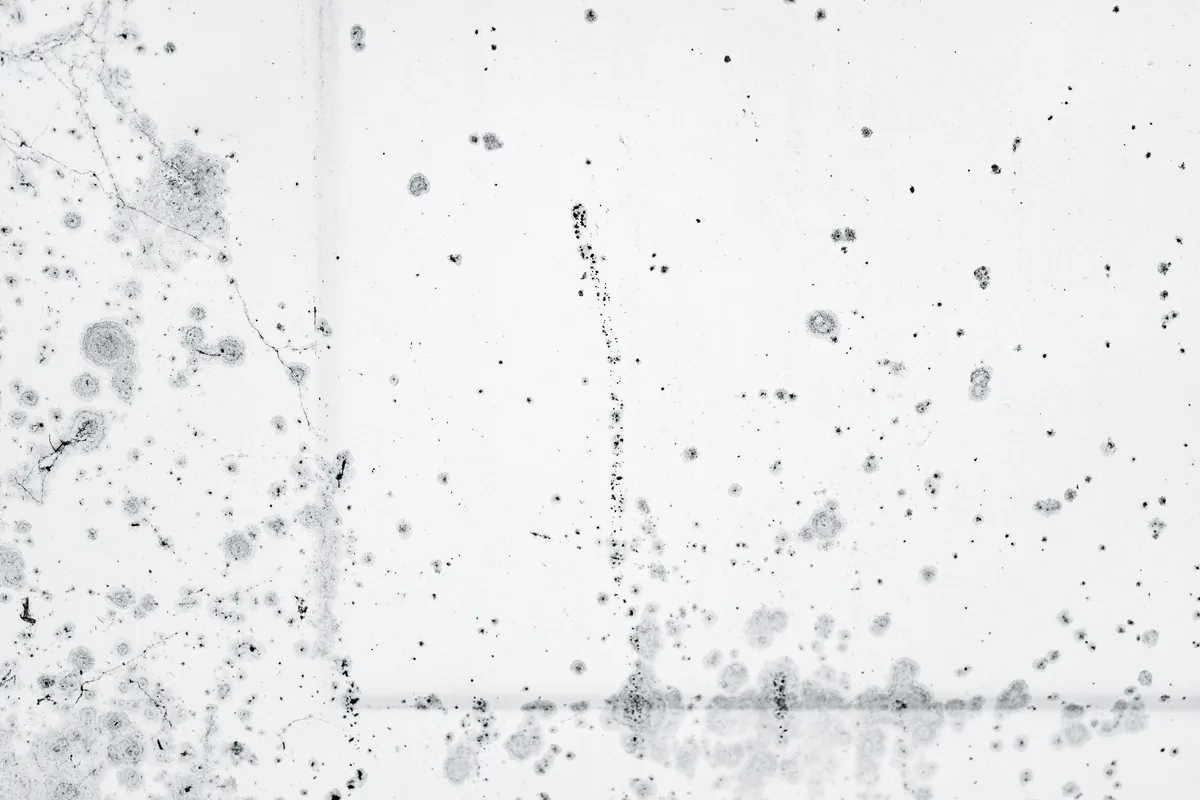
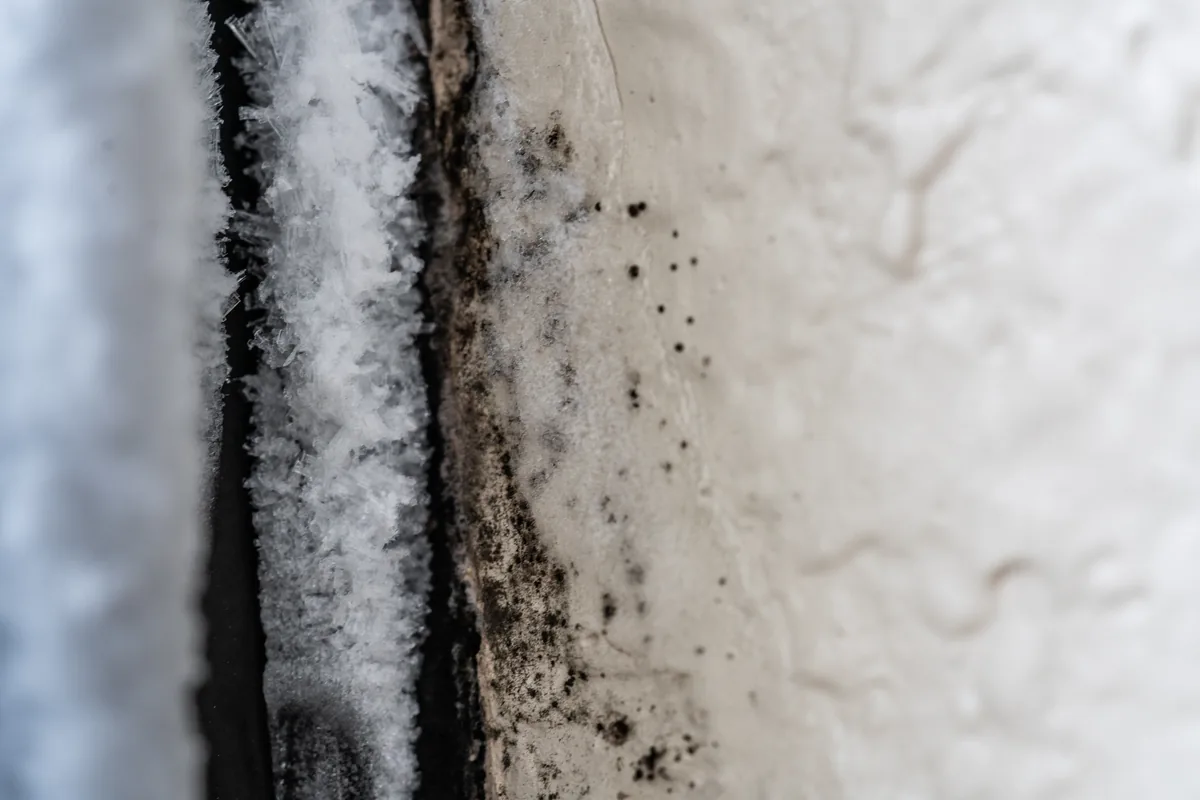
In either case, staining means conditions were right for growth, even if nothing fuzzy is visible, especially if the material remained damp for more than a day or two.
Ceilings are often overlooked until a stain becomes prominent enough to notice from across the room.
For independent guidance on mold, moisture, and safe cleanup, see CDC: mold and health information and EPA: a guide to mold cleanup and moisture control.
Where the Water Is Actually Coming From
No cutting begins until the water source is confirmed, preventing unnecessary repairs and additional damage.
- Single-story home: usually a roof leak or condensation on the deck above
- Two-story home: often a bathroom, laundry or kitchen leak from the floor above
- Directly under a bathroom: check the wax ring, the tub drain and failed grout
- Near an exterior wall: flashing or gutter overflow rather than a leak straight overhead
Why the Whole Stain Does Not Get Cut Out
Removing an excessively large section increases costs for drywall, texturing, and labor beyond what the actual damage requires.
Moisture readings define the precise boundary of affected material, ensuring the removal area is accurate and not oversized.
The existing texture, whether popcorn, knockdown, or smooth, dictates the repair approach. Matching it is key to making the patch blend in.
Joist locations are confirmed before setting the cut line to ensure the new patch is securely fastened to solid framing on all sides.
Multi-Level Homes and Shared Ceilings
In multi-unit buildings in Spokane County, a ceiling leak may originate in a neighboring unit, requiring coordination not needed in a single-family home.
Clear documentation of findings is essential in these cases, as it provides the evidence needed for an HOA or property manager to address the source.
Working Overhead Without Damaging What's Below
Everything removed from a ceiling falls downward, so protecting floors and furnishings is a first step before work begins.
Floor protection is laid down and furniture is moved or covered to simplify cleanup and prevent secondary damage.
Light fixtures and electrical boxes near the work area are carefully worked around, and any concerns are flagged before the cavity is closed.
Dust control is critical for overhead work. Containment sheeting is specifically configured for ceiling removal to manage falling debris.
After the job
After the job: keeping it from coming back
Address the roof leak or faulty plumbing before the ceiling is patched
Inspect the repaired area after the next heavy rain or seasonal event
Maintain caulking around upstairs tubs and toilet seals
A returning stain indicates the water source above has not been fixed
If it shows up again, or a new leak starts, call (844) 352-3560, the line is answered 24/7.
Good to know
Ceiling Mold Removal in Nine Mile Falls, WA: common questions
Does a ceiling stain always mean mold?
Not always, but staining confirms past water presence, which is the primary condition mold needs. Moisture readings and an inspection above the ceiling determine if growth is likely or present.
Is a ceiling leak an emergency?
An active, ongoing leak is time-sensitive, as materials that stay wet for 24 to 48 hours can begin to support growth. A stain from a previously repaired leak is less urgent but still warrants evaluation.
What if the leak is coming from a neighboring unit?
The findings, supported by photos and moisture data, are documented in a report. This documentation is what an HOA, property manager, or neighboring owner typically needs to authorize the repair at the source.
How is the source found without a big hole in my ceiling?
A visual inspection from the attic or floor above, combined with non-invasive tools like thermal imaging and moisture meters, typically identifies the source area before any cutting is required.
Will the ceiling be patched and painted after removal?
The core service includes removal, drying, and treatment. Drywall patching, texture matching, and painting are coordinated as part of the complete scope of work.
Related services
More mold services in Nine Mile Falls, WA
Standards
Standards the work is done to in Nine Mile Falls
Questions about the scope? Call (844) 352-3560, open 24/7.
Talk to the mold removal team now
Need Ceiling Mold Removal in Nine Mile Falls, WA?
Call the 24/7 line and a local crew gets the problem contained fast, then removed the right way, to the IICRC S520 standard. A visit is often set the same day.